
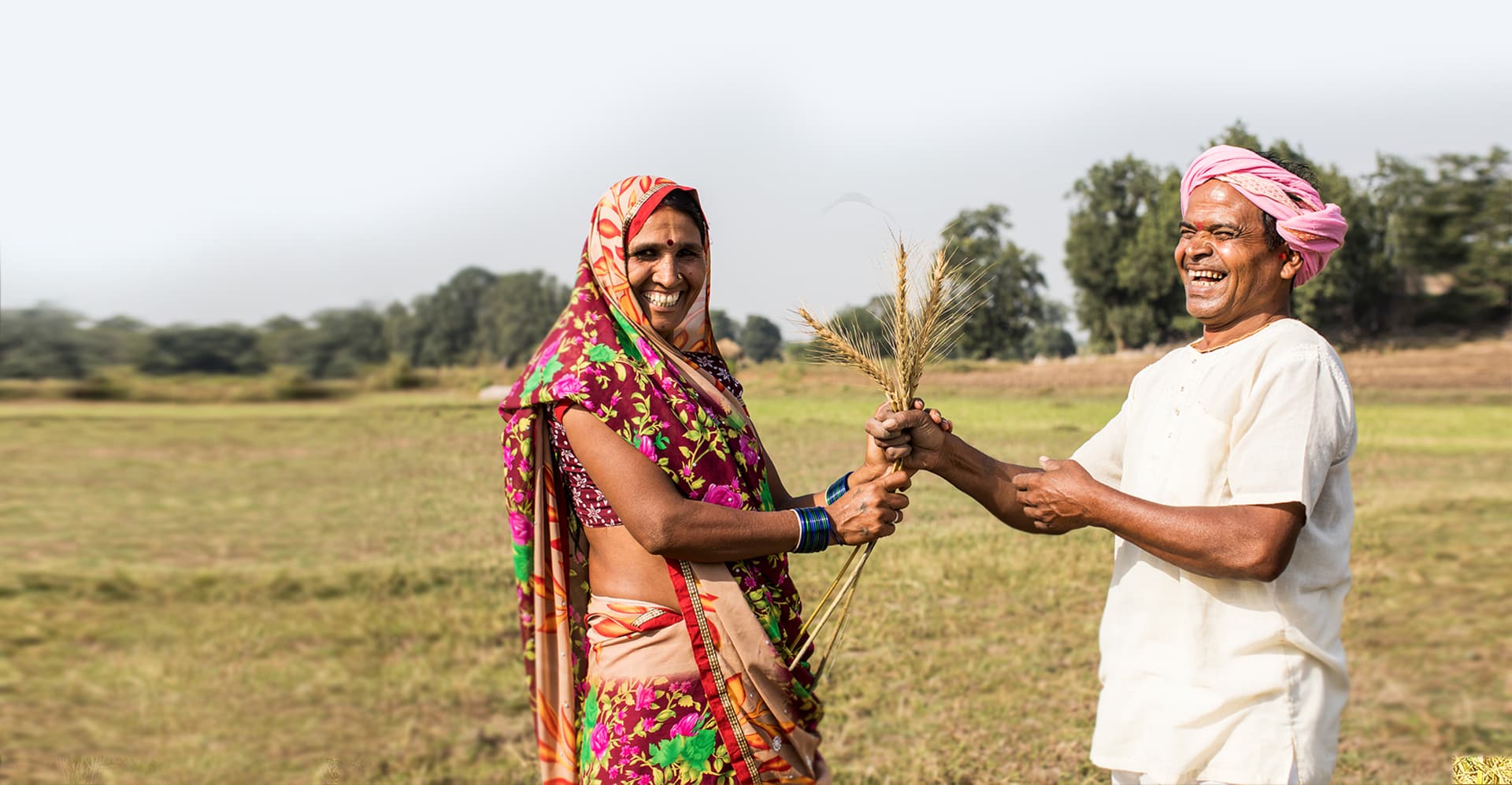
Building resilience to
climate change and natural disasters.
Regional Impact
100,000+ people building a climate-resilient future
From project to programme to movement - farmer to farmer, across South Asia
Transforming smallholder households, small farms and landscapes across South Asia to withstand climate change and natural disasters.
Resilient livelihoods | Sustainable local food systems | Thriving Landscapes

Years of experience

Countries in South Asia

Districts

Villages

Smallholder Farmers Collectives (SHFCs)

Households (51% female headed)

Directly Reached Households

Indirectly Reached Households

Smallholder farmers have improved their Dietary Diversity

of small farms are climate-resilient with increased biodiversity

of SHF family increased their farm income by 100%

of targeted smallholder farmers sustainably double their farm production

farmers practicing two and more Climate Adaptive Practices

SHF are consuming a balanced diet

of farmers have increased access to farm resources and availed entitlement

income increase of SHF from marketing of Small-Farm-Agri-Foods (in local and Urban markets)
What is SAFBIN?
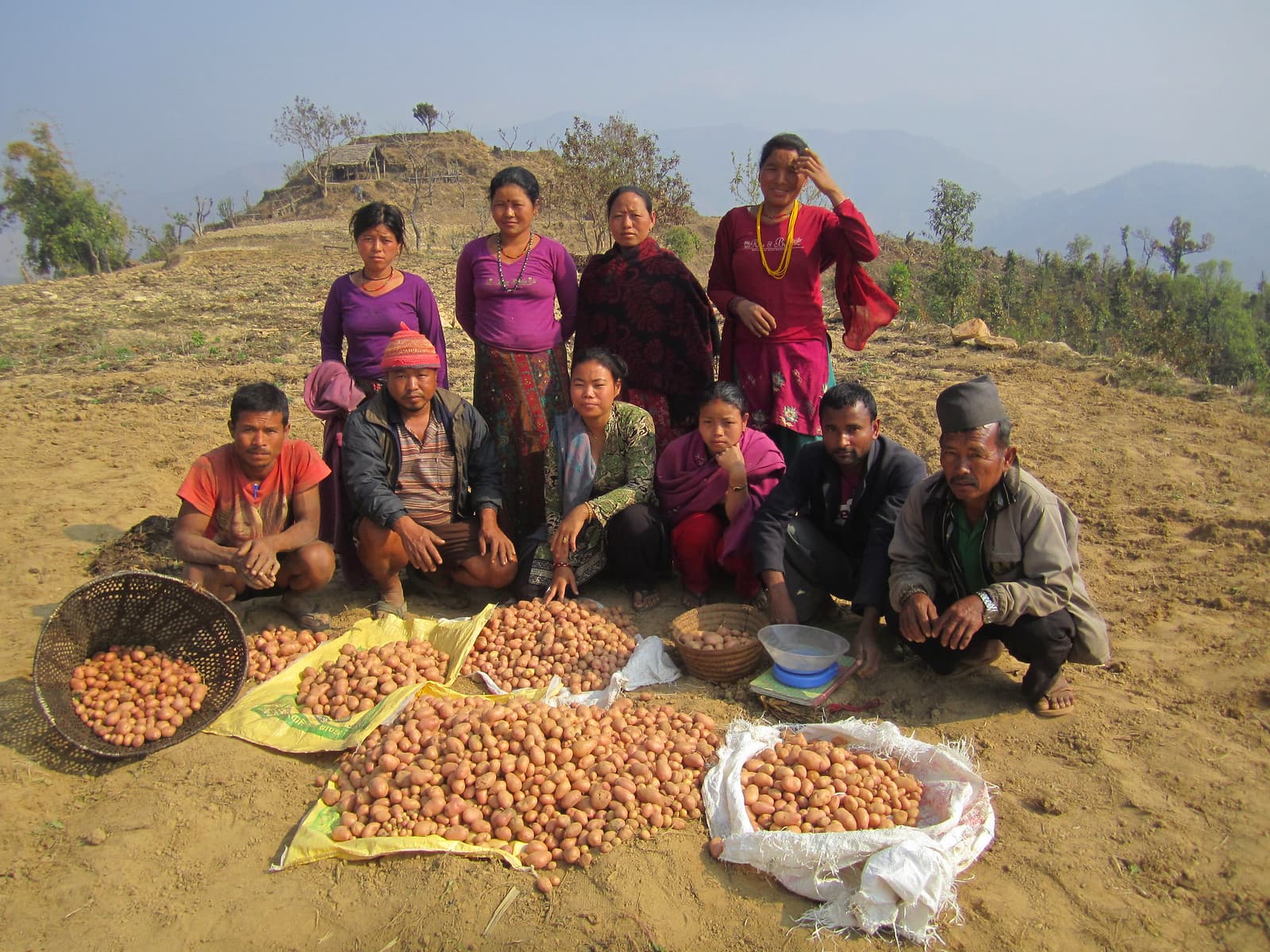
Across South Asia, smallholder farmers grow more than 70% of the region’s food – from less than half of its farmland. They are also the first to feel the impact of climate change: erratic rains, drought, and flooding threaten the harvest millions of families dependon. At the same time, smallholders are best placed to implement effective measures to build resilience to the consequences of climate warming.SAFBIN works directly with farmers – not for them. Since 2009, what began as a small initiative in three countries has grown into a programme spanning Bangladesh, India, Nepal,Pakistan, and Sri Lanka, backed by more than 15 years of continuous partnership between Caritas organisations, the EU, and other institutional donors. Farmers lead the research on their own land, organize into collectives, and share what works – from drought-tolerant seed varieties to community seed banks – with neighbouring villages and across borders.The result: stronger harvests, steadier income, and farming communities better equipped to withstand the next shock.